---
title: "Embed Comm100 Control Panel"
slug: "embed-comm100-control-panel"
updated: 2022-07-14T08:31:44Z
published: 2022-07-14T08:31:44Z
canonical: "developer.comm100.com/embed-comm100-control-panel"
---
> ## Documentation Index
> Fetch the complete documentation index at: https://developer.comm100.com/llms.txt
> Use this file to discover all available pages before exploring further.
# Embed Comm100 Control Panel
## Introduction
The Comm100 Embedded Client allows you to embed Comm100 Control Panel into your web system. Comm100 Control Panel lives in an iframe, so it won't affect your web system. And Comm100 Control Panel provides a rich API that allows your system to interoperate with Comm100.
## Preparation
1. [Sign up](https://secure.comm100.com/siteregister.aspx) an account for free trial on Comm100 for Free Trial. Skip this step if you already have an account. Keep the email you used to sign up the account. It will be used as `agent_email` in following steps.
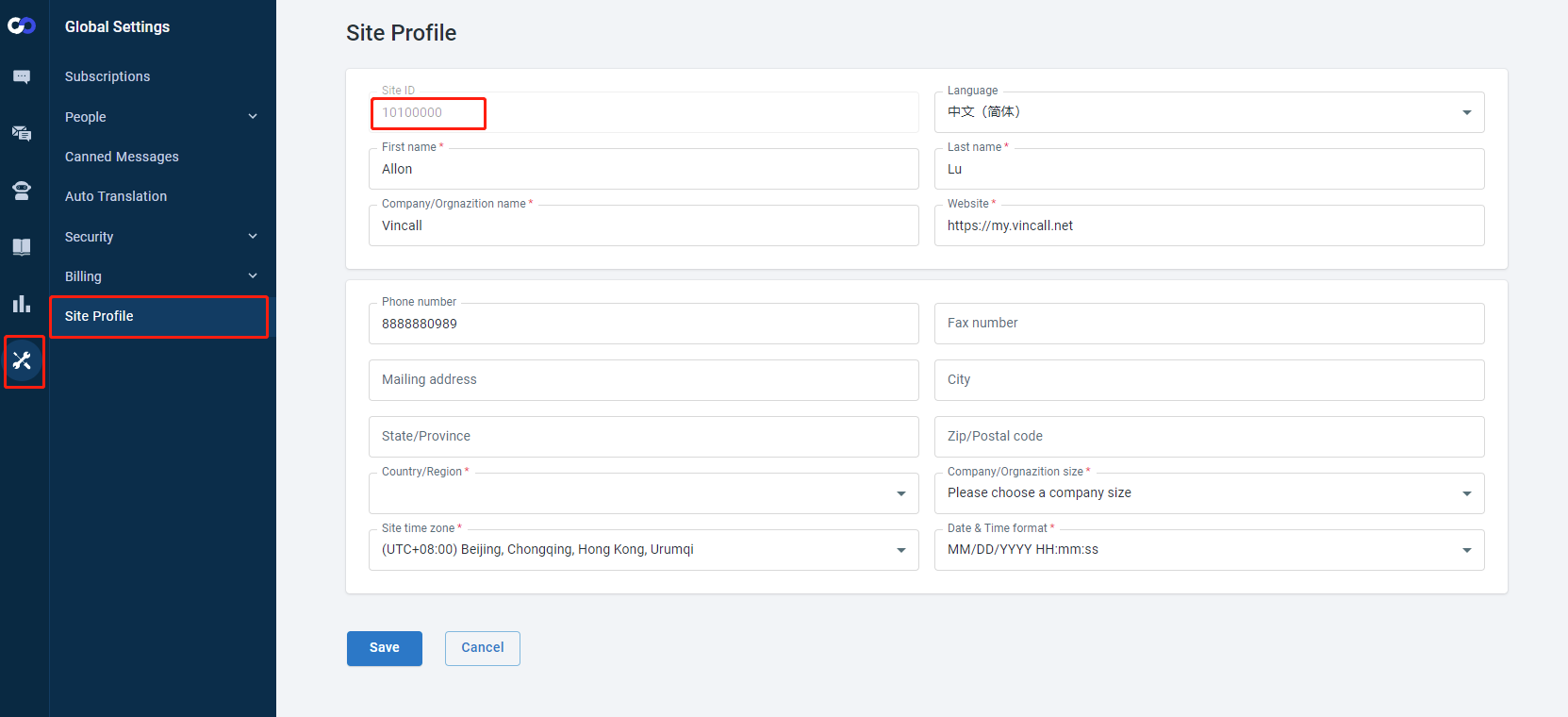
2. Log in to your Comm100 Control Panel, and navigate to **Global Settings > Site Profile** from the left navigation menu. Keep your site ID from the page. It will be used as `site_id` in following steps.
## How to embed Comm100 Control Panel?
1. Create a HTML file (example: iframe.html)
```
Hello World
```
1. Add a div in the body to place the Comm100 Control Panel Page, you need to set the `id` for this div, so that can find it by id:
```
```
1. To interact with the Comm100, the HTML file must import the Comm100 Embeddable SDK in a script tag:
```
```
1. After importing the SDK, you can instantiate the `EmbeddedControlPanel` class to create Comm100 JavaScript API client:
```
var controlPanelClient = new EmbeddedControlPanel({
siteId: {site_id},
entry: "/reporting/livechat/chatvolume/chatvolumebytime/",
container: document.getElementById("comm100-controlpanel"),
});
```
1. After get the Comm100 Javascript API client, you can use the `controlPanelClient.init()` method to initalize Comm100 Control Panel:
```
controlPanelClient.init();
```
Until now you can open the `iframe.html` page in your local browser and we'll see the control panel page is loaded. 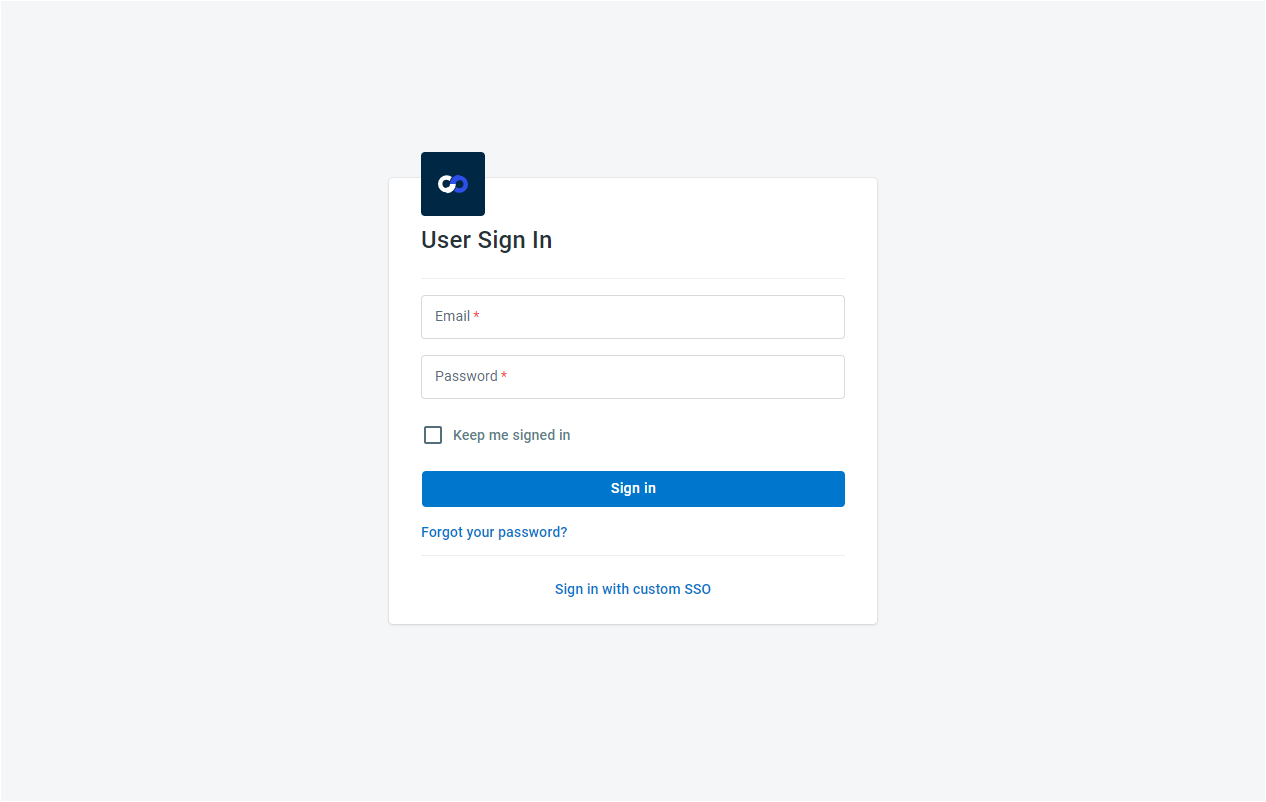
In the above code we defined that the div size is 100% * 800px of the entire window. You can control the position and size displayed for control panel by controlling the div position and size.
## Advanced
| Name | Type | Required | Default | Description |
| --- | --- | --- | --- | --- |
| appId | guid | no | | The id of the app. [How to get the id of app?](/docs/part-1-preparation-1) |
| siteId | number | yes | | The id of the site. |
| jwt | string | no | | Using for jwt authentication. |
| entry | string | yes | | The path of the entry page. You can find the all page path from [here](/docs/embed-comm100-control-panel-page-path). |
| container | HTMLElement | yes | | The container where control panel is rendered. |
The client provides an interface between your app and the host application. The client gives you methods to interact with the Apps framework (Click [here](/docs/embeddable-api-control-panel) to get more information). Below is an example:
```
// When control completes the initialization, redirect to the live chat chat source reporting page after five seconds
controlPanelClient.init().then((cp) => {
setTimeout(function() {
cp.do("goto", "/reporting/livechat/chatsource/chatsourcebytime/");
}, 5000);
});
```
Click [here](https://developer.mozilla.org/en-US/docs/Web/API/setTimeout) to get more information about setTimeout